Tree Trimming & Pruning in Alpharetta, GA
Regular tree care is essential for maintaining the safety and natural beauty of your yard. Well-maintained trees enhance property value and protect your home from risks during severe Georgia weather. When these issues are ignored, overgrown limbs, dead branches, and unbalanced canopies can cause problems around roofs, driveways, and other parts of your property.
At Alpharetta Tree Pros, we connect you with professional tree-trimming and pruning experts in Alpharetta. The services include routine crown shaping, hazard reduction, tree trimming, or deep structural pruning.

Professional Tree Trimming & Pruning for Alpharetta Properties
Regular tree trimming and pruning can keep overgrown branches from becoming a problem and maintain a neat, well-kept property. Trimming typically involves removing overgrown branches for clearance and appearance, while pruning removes dead, diseased, or weak limbs that could affect the tree’s structure.
Why Professional Tree Trimming Is Important
Our tree care professionals can recommend the appropriate service based on the condition of your trees.

Better Branch Clearance
Removing overgrown branches can prevent them from falling onto roofs, driveways, walkways, and other areas where they may cause problems.

Healthier Tree Growth
Careful pruning removes dead or diseased limbs without unnecessarily removing healthy growth.

Storm Preparation
Weak and poorly placed branches can become dangerous in high winds. Proper trimming can reduce the risk of falling branches during severe weather.

Signs Your Trees Need Trimming or Pruning
Homeowners can easily miss signs that a tree needs trimming. If you recognize these signs in time, you can prevent falling branches and potential property damage. Contact us if you notice any of the following issues:

Overgrown Branches Near Roofline or Power Lines
When overgrown tree branches extend over roofs, they can cause serious problems. During strong winds, branches may scrape against shingles or break and fall, potentially causing damage to the roof and other parts of the property.
Dead or Diseased Limbs
Dead wood is extremely brittle and can break unexpectedly. Removing dead limbs can reduce the risk of falling branches and prevent pests or diseases from spreading to other parts of the tree.
Asymmetrical or Unbalanced Growth
If a tree grows heavily to one side, its center of gravity shifts. This imbalance increases the risk of tipping or splitting under the weight of storm winds, snow, or ice.
Branches Blocking Light or Walkways
Low-hanging limbs can block walkways and driveways. A dense canopy can also block sunlight and airflow, which can result in fungal growth.
No Trimming in 3-5 Years
Mature trees should undergo structural maintenance every three to five years to sustain health. Without regular care, trees can become more vulnerable to decay, pests, and storm damage.
What’s the Difference Between Trimming and Pruning?
Tree trimming and pruning serve different purposes, so knowing the difference can help you choose the right service for your trees.
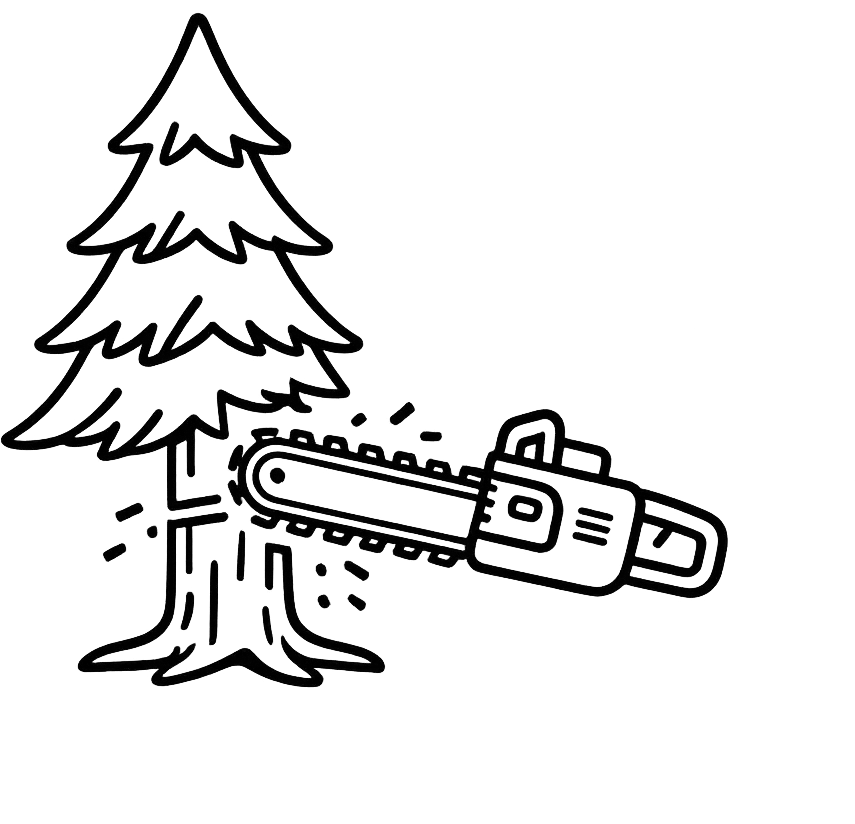
Tree Trimming
Tree trimming controls the tree’s size and shape by cutting back overgrown branches that extend toward roofs, walkways, or driveways.
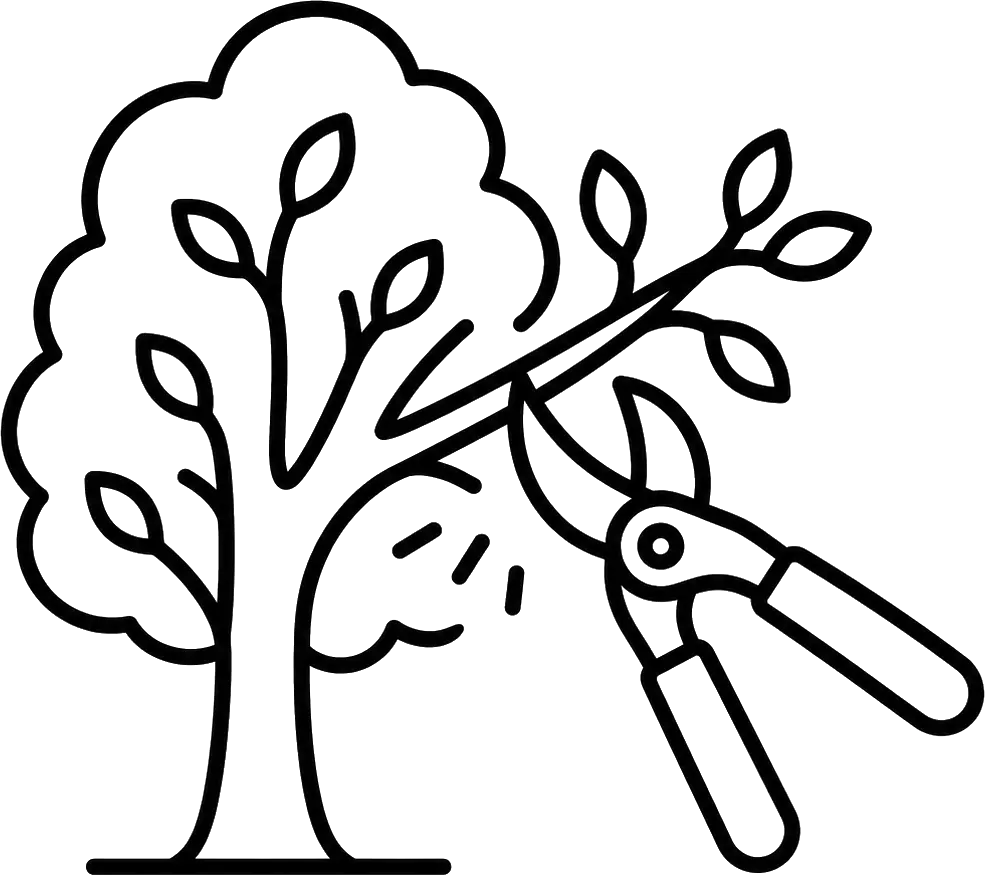
Tree Pruning
Tree pruning focuses on tree health and structure by removing dead, diseased, weak, or damaged branches. It can also reduce crowded growth to improve airflow and sunlight within the canopy.
A professional tree care team can assess your trees and recommend the appropriate service based on their condition and growth.
Tree Trimming and Pruning Process
Before the work begins, the tree and surrounding area are carefully inspected. From there, the professionals we refer determine the work needed for trimming or pruning based on the tree’s condition and needs.
- On-Site Tree Assessment
A technician checks the tree’s condition, size, species, and nearby structures to identify the appropriate trimming or pruning needs.
- Trimming Plan
The trimming approach is based on the tree’s age, species, growth pattern, and condition. Each tree may need a different level of trimming.
- Careful Branch Removal
Professionals remove selected branches with proper cutting techniques to maintain the tree’s health and structure.
- Debris Cleanup
After the trimming is complete, the team removes branches and other debris from the work area and cleans it.
Benefits of Regular Tree Trimming
Regular tree trimming can keep your trees healthy, improve their appearance, and reduce potential problems around your home.
Reduce Storm Damage
Excess growth can cause a tree to catch more wind during strong Georgia storms. Regular trimming can lower the risk of broken branches and storm-related damage.
Support Tree Health
Dead, diseased, or damaged limbs can spread problems to other parts of the tree. Their removal can support healthier growth.
Improve Curb Appeal
Well-maintained trees can make your yard look cleaner and more attractive.
Improve Safety
Weak or heavy branches can fall over driveways, walkways, and other areas. Proper tree care can reduce this risk.
Service Areas
It can be difficult to find a reliable local professional for tree services. Alpharetta Tree Pros helps homeowners find tree trimming and pruning professionals in Alpharetta and nearby communities across North Fulton and Forsyth counties.
- Alpharetta
- Roswell
- Milton
- Johns Creek
- Cumming
- Sandy Springs
- Duluth
- Suwanee

Frequently Asked Questions
How often should trees be trimmed?
Most mature trees should be professionally trimmed or pruned every 3 to 5 years. Fast-growing trees or trees with branches growing near roofs or utility lines may need more frequent care.
Can improper trimming harm a tree?
Can you trim trees near power lines?
Is branch and debris cleanup included?
Get Professional Tree Trimming & Pruning in Alpharetta
Overgrown, dead, or weak branches can affect the health and appearance of your trees and create problems around your home. Contact Alpharetta Tree Pros to find a local, licensed, and insured professional who can assess your trees and recommend the appropriate service.